Opticians hold the key to a $200B AI ecosystem… And don’t even know it!
It’s been a minute since I posted. Maybe more. But smart glasses seem to be everywhere now. Their success or failure depends on the eye care professional. I will explain. But first a brief history to put everything into context.
As you may recall, we saw them come and go a while ago. Google Glass, launched in 2012, was an unmitigated disaster. They looked Orwellian. In fact, people were being beaten in the streets for wearing them. This little setback didn’t stop Big Tech from pursuing the device. But they had to let the stench dissipate. This took many years.
Over the next decade, Big Tech retrenched away from the wider consumer market. Google focused on the enterprise market. Meta alone spent over $100B on smart glasses tech, including Reality Labs, which developed Augmented Reality, Virtual Reality, etc. Apple has been developing a release for years.
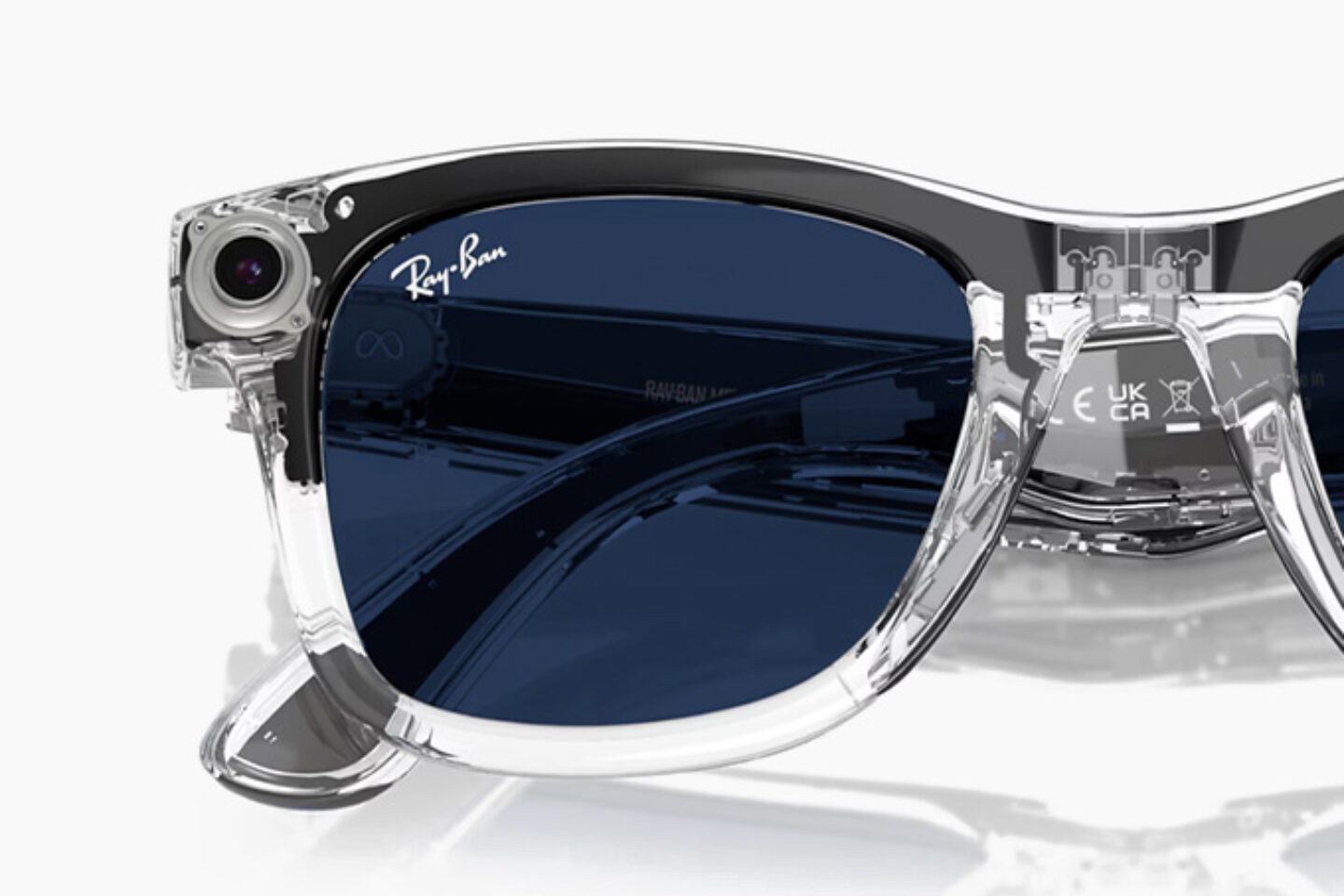
Despite the horrendous early results, Big Tech has pressed on. Developments in electronics enabled relevant electronics to be crammed into a form factor that looked more like normal eyewear. So Meta bought a $3B piece of Luxottica and affixed the Ray Ban name to the more normalized product. It’s worked to a fair extent. They sold about 7 million units last year. Google is back in the game, too. Apple smart glasses are coming next year.
You may be wondering, why are some of the biggest companies in the world pumping hundreds of billions of dollars into this device? Google Glass was one of the most legendary commercial failures in human history. Why have torrents of money been aimed at this historically unpopular device to put it over, regardless?
Because the device itself isn’t really the product. The ultimate product is what you’d call an experiential AI ecosystem. Right now people experience AI by asking ChatGPT to do some thinking for them. The ultimate goal is to embed AI in your flow of life, so it sees what you see, hears what you hear, and can offer more sophisticated features in real time. It can offer substantial benefits… and if you think targeted ads are sophisticated now, just you wait.
An item worn on the face, over the eyes, is the only object that can deliver this… Namely eyewear. As a result smart glasses are central to the next computing platform, and are tabbed to replace the smart phone.
But there’s one radical departure from computing platforms of the past… In order to scale this platform into a platform, eye care professionals will need to get on board and stock and sell the device.
Now this is where things get interesting.
Part 2 coming next week…
I am curious. For any ECPs that are reading, do you stock smart glasses? Why would you? Why wouldn’t you? Please leave a comment.


Hi Moss
I am not sure I see how eyewear trained opticians are prepared or are a best for for the developing universe of smart glasses
It’s pretty simple Barry. Hundreds of billions have been poured into this ecosystem. The only potential distribution network for the device big enough to scale it into a platform is optical retail. But what you’re stating is a real conundrum for Big Tech. They make hardware, not eyewear. Thing is, they have no choice but to work with ECPs to make the device happen in the retail vertical.
That means true Rx friendly frames, form factors acceptable to opticians and their customers, and adjusting prices so vendors have acceptable margins. It also means easy to use systems that won’t burden ECPs with the task of being hardware specialists.
It’s best to remember what’s being sold isn’t a device. That’s not where the benefit to the technology companies is. It’s the platform that’s been, and is being developed. Sort of like how selling computers wasn’t where the money was made when they became ubiquitous – the world of commerce, targeted marketing, applications etc. were where real profit has been.
If you check the links in the article, Mark Zuckerberg says smart glasses will replace smart phones.
There are over 300,000 ECPs on this earth. Tech companies can’t build out a comparable retail network. They will also need to capture those who wear corrective lenses – the best potential all-day wearers. Almost half the world needs corrective lenses. The market is too big to be ignored, which means the ECP can’t be ignored. It’s inevitable it’ll be made to work.
What about direct to consumer, Moss, otherwise known as B2C?
Direct sales a major retail channel right now. Smart glasses are mostly confined to online sales and electronics stores. But again, the truly profitable product isn’t the hardware – it’s the constant flow of AI with an object you wear all day, every day as interface.
The best object to deliver this is one which must be worn all the time – like prescriptive eyewear. It’s really the only such object worn on the face by many, many people.
And the only vendors who can serve them are opticians.
So opticians will be key in scaling adoption of this device. Big Tech has no other choice. They will have to make the device work in optical specialty retail. I’ve made a few predictions here in the past. They’ve tended to be correct. Consider this another one.
What do you think the biggest obstacles are to this happening?